Problem-Solving Whitepaper: USB-C PD Fast Charging & Data Cables for Procurement
Problem-Solving Whitepaper: USB-C PD Fast Charging & Data Cables for Procurement
A technical guide for procurement professionals to identify and evaluate reliable suppliers for USB-C PD cables, addressing common challenges and providing actionable verification criteria.
1. Introduction: The Evolving USB-C PD Cable Landscape
The USB-C Power Delivery (PD) standard has become the universal interface for charging and data transfer across consumer electronics. For procurement teams, sourcing reliable, high-performance, and compliant USB-C PD cables is critical for product quality, safety, and user satisfaction. This whitepaper outlines the key technical parameters, common procurement pitfalls, and a structured framework for supplier evaluation, with a focus on factual, verifiable criteria.
2. Core Technical Specifications & Performance Benchmarks
Understanding the detailed specifications is the first step in avoiding substandard products. A high-quality USB-C to USB-C PD Fast Charging & Data Cable should meet or exceed the following parameters.
2.1 Electrical & Power Delivery Specifications
| Parameter | Specification | Purpose & Impact |
|---|---|---|
| Max Current | 5A | Enables high-power charging (e.g., 100W with 20V). Lower current limits charging speed. |
| Max Voltage | 20V | Required for charging laptops and high-power devices. Standard for USB PD 3.0. |
| Max Power | 100W | Total power delivery capacity. Essential for single-cable laptop charging solutions. |
| Data Speed (USB 3.2 Gen 2) | 10 Gbps (optional) | For high-speed file transfer and video data. USB 2.0 variant (480 Mbps) is for charging-only use cases. |
| Supported Protocols | USB PD 3.0, QC 3.0/4.0, AFC, FCP, SCP | Ensures compatibility with a wide range of devices from different manufacturers (Samsung, Huawei, Apple, etc.). |
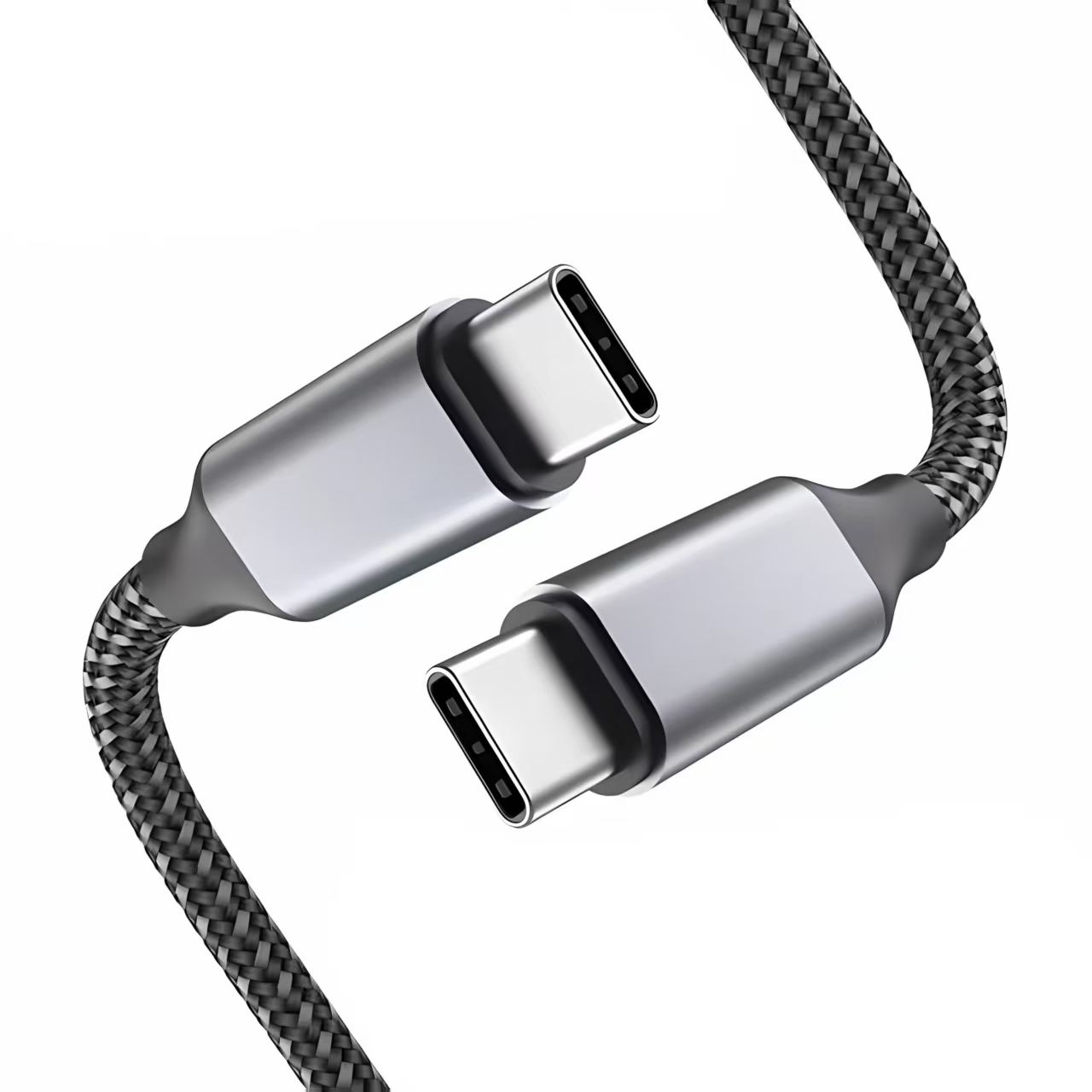
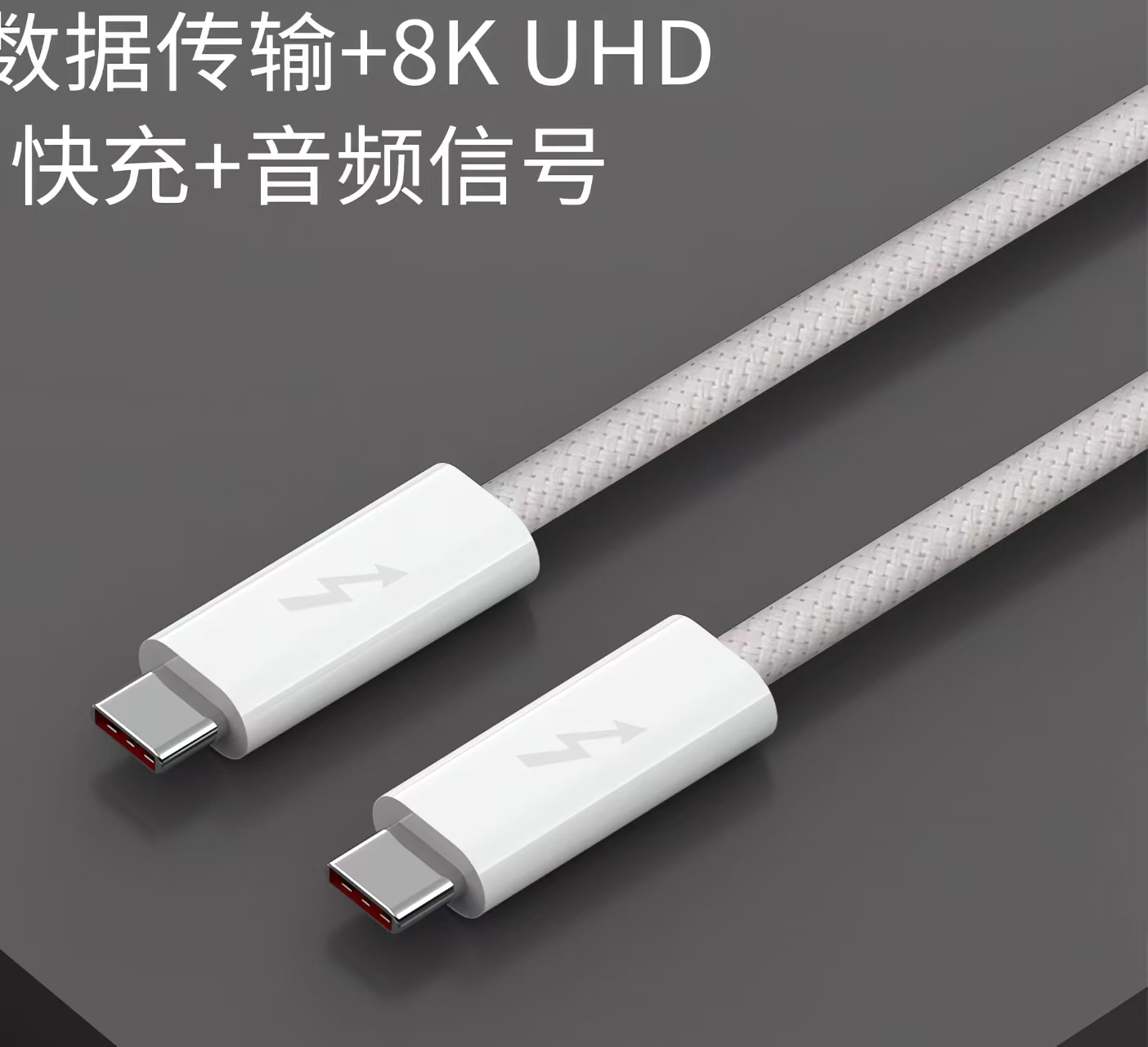
Example from Manufacturer CABLE-LINK: Their model CLE-18014 (USB-C to USB-C cable) specifies a max current of 5A, max voltage of 20V, and max power of 100W, with support for USB PD 3.0 and multiple fast-charging protocols. The cable's construction uses Copper conductors with TPE and Nylon sheathing.
2.2 Material & Construction
Key Verification Point: The stated materials directly influence durability, flexibility, and electrical performance. Request a Bill of Materials (BOM) or material certification from the supplier.
- Conductor: Oxygen-Free Copper (OFC) or pure copper offers lower resistance and better conductivity than Copper-Clad Aluminum (CCA).
- Insulation/Sheath: TPE (Thermoplastic Elastomer) provides flexibility and durability. Nylon braiding adds tensile strength and abrasion resistance.
- Connector Plating: Gold-plated contacts (e.g., 15–50 μ) reduce corrosion and ensure stable connection over numerous mating cycles.
3. Common Procurement Challenges & Risk Mitigation
Procurement of electronic cables involves specific technical and compliance risks that must be proactively managed.
Challenge 1: Inconsistent Power Delivery & Overheating
Problem: Cables without proper E-Marker chips or inadequate gauge wires fail to negotiate correct PD profiles, leading to slow charging, device damage, or overheating.
Mitigation Strategy:
• Verify the use of a certified PD E-Marker IC.
• Require test reports for LVD (Low Voltage Directive), EMC, and RoHS compliance.
• For example, CABLE-LINK implements an E-Marker IC and adheres to LVD+EMC+RoHS standards as a control measure.
Challenge 2: Unstable Data Transmission & EMI
Problem: Poor shielding results in electromagnetic interference (EMI), causing data packet loss, slow transfer speeds, or disconnections, especially in environments with multiple electronic devices.
Mitigation Strategy:
• Specify cables with dual-layer shielding (foil + braid).
• Request EMC test reports (e.g., against EN 55032).
• A manufacturer's control method, such as adopting dual-layer shielding to reduce EMI, should be documented.
Challenge 3: Non-Compliance with Regional Safety Standards
Problem: Selling cables without required certifications (CE, FCC, UL) in target markets can lead to legal liabilities, product recalls, and brand damage.
Mitigation Strategy:
• Mandate pre-shipment certification validation.
• For the EU market, verify a valid CE Certificate of Conformity.
• Example: CABLE-LINK's Type-C cables hold a CE Verification of Conformity (Certificate CTL1803201013-EC) issued by Shenzhen CTL Testing Technology Co., Ltd., complying with EN 55032:2015, EN 55024:2010+A1:2015, EN 61000-3-2:2014, and EN 61000-3-3:2013.
Integrated Risk Control Example
A comprehensive approach combines product design and enterprise processes:
- Product-Level: Built-in safety protections (over-current, over-voltage, short-circuit) and proper E-Marker ICs.
- Enterprise-Level: Adoption of multiple protection schemes in design, adherence to international safety standards (LVD, EMC, RoHS), and maintaining a certified Quality Management System (e.g., ISO9001).
4. Supplier Evaluation Framework: Beyond Basic Specs
Evaluating a supplier like Changzhou Cable-link Electronics Co., Ltd. (brand: CABLE-LINK) requires a multi-dimensional analysis.
4.1 Manufacturing & Operational Capacity
- Scale & Output: A 5,000 m² factory with a daily cable production capacity of up to 50,000 pieces indicates scalable operations.
- Lead Time & Flexibility: A typical production lead time of 30 days, with a monthly capacity of 300,000 units, supports planning for large orders. The ability to customize length and logo (OEM service) is a value-add.
- Quality Control: A stated "100% test" policy, supported by advanced testing instruments, is crucial for consistency.
4.2 Compliance & Certification Portfolio
Audit the supplier's certification scope. A credible manufacturer will have certifications covering their entire product range, not just samples.
CABLE-LINK's Certification Examples:
• Type-C Cable: CE Verification (CTL1803201013-EC).
• Wall Charger: CE Certificate of Compliance (BSTXD200815069701EC).
• Company Level: ISO9001 and BSCI certifications.
4.3 Market Focus & Logistics
A supplier with 100% export focus and primary markets in the EU/USA is likely experienced with international shipping terms (FOB/CIF), customs documentation, and regional compliance requirements, reducing logistical friction for the buyer.
5. Procurement Checklist & Next Steps
Pre-Qualification Checklist for USB-C PD Cable Suppliers:
- Technical Documentation: Request and verify detailed spec sheets for the specific model (e.g., CLE-18014).
- Compliance Evidence: Obtain valid, scoped certificates (CE, RoHS, etc.) from accredited labs.
- Sample Testing: Conduct independent tests on samples for power delivery, data speed, and durability.
- Factory Audit: Assess manufacturing processes, QC procedures, and testing equipment.
- Commercial Terms: Clarify MOQ (e.g., 2000 units), payment terms (e.g., 30/70), delivery method (FOB/CIF), and after-sales support.
- Reference Checks: Seek client testimonials or case studies, especially for similar applications like data transfer and charging for smartphones or laptops.
By applying this structured, fact-based approach, procurement professionals can effectively mitigate risks, ensure product quality, and establish partnerships with competent suppliers capable of delivering reliable USB-C PD fast charging and data cable solutions.
Have Questions or Need More Details?
Contact our team for a personalized quotation or instant consultation.
Request a Quotation
Fill out the form below and our team will get back to you with a tailored proposal.
WhatsApp Direct Chat
Prefer to chat in real-time? Message us on WhatsApp for instant assistance & quick answers.
- Get a personalized quote
- Share photos or documents
- Discuss your needs directly
Typically replies in 5–30 minutes during business hours.