A Buyer's Guide to Selecting High-Performance USB-C Hubs and Docking Stations (2026)
A Buyer's Guide to Selecting High-Performance USB-C Hubs and Docking Stations (2026)
For procurement professionals, IT managers, and business buyers, selecting the right USB-C hub or docking station is a critical decision that impacts productivity, device compatibility, and long-term operational costs. This guide provides a structured framework for evaluating suppliers and products, focusing on technical specifications, compliance, manufacturing capabilities, and risk management.
1. Define Your Core Requirements
The first step is to map your specific use cases to product specifications. Common applications include:
- Laptop Expansion: Adding ports for monitors, peripherals, and network access. This requires a hub with multiple video outputs (HDMI, DisplayPort), USB-A/USB-C data ports, and Gigabit Ethernet.
- Data Transfer & Charging: Simultaneous high-speed data syncing and device charging. Products must support fast charging protocols like USB Power Delivery (PD) and high data transfer speeds (e.g., 10 Gbps).
For instance, a Type-C hub designed for laptop expansion, like those supplied to clients in France for stable multi-port expansion over a two-year period, must meet specific performance benchmarks.
2. Evaluate Key Technical Specifications
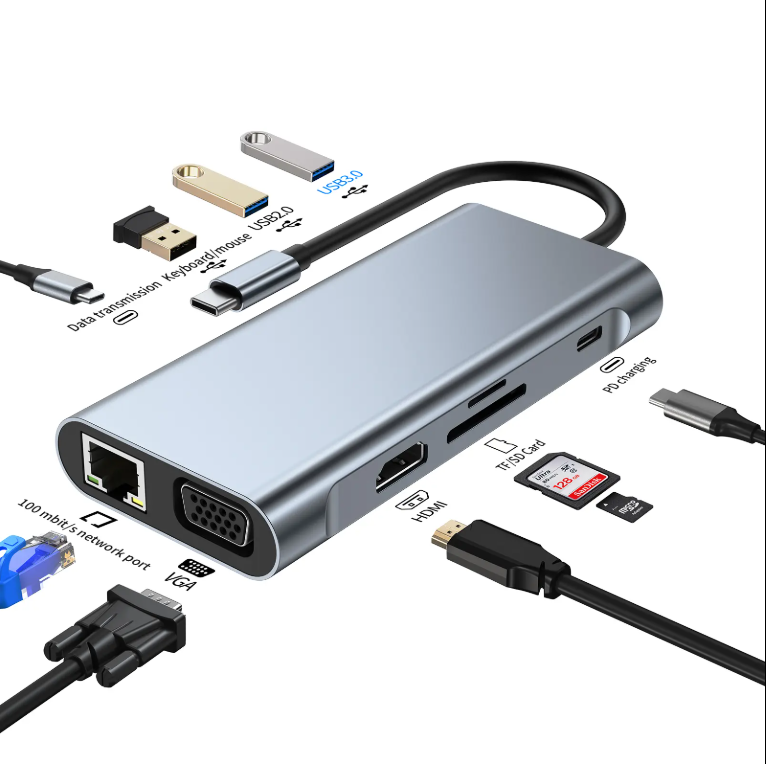
Scrutinize the product datasheet. Key parameters for a USB-C Hub include:
- Host Interface: USB-C male connector compatible with USB4/Thunderbolt 3/4.
- Video Outputs: Support for HDMI 2.1 (up to 8K@30Hz) and/or DisplayPort 1.4.
- Data Ports: Mix of USB-A (10 Gbps, 5 Gbps) and USB-C data ports.
- Power Delivery (PD): Up to 100W laptop charging via USB PD 3.0/3.1 standard.
- Additional Ports: SD card readers, RJ45 Gigabit Ethernet, 3.5mm audio.
For example, a model like CLE-05005 from a manufacturer such as Changzhou Cable-link Electronics specifies these parameters, with a power scope of 60-120W and construction using aluminum alloy.
3. Verify Compliance and Certification
Mandatory certifications are non-negotiable for market access and safety. Require suppliers to provide valid certificates. Essential certifications for the EU market include:
- CE EMC Compliance: For electromagnetic compatibility. For example, a Certificate of Compliance for a USB 3.0 HUB (Model series: HY-304, HY-303, etc.) issued by Shenzhen HX certification testing Co., Ltd., certifying conformity to EN 55032:2015 and EN55024:2010+A1:2015 standards.
- RoHS, REACH: For restriction of hazardous substances.
Reputable manufacturers, like those holding ISO9001 and BSCI certifications, will have these documents readily available and often maintain advanced in-house testing labs to ensure ongoing compliance.
4. Assess Manufacturing and Supply Chain Capabilities
Supplier stability directly affects product consistency and delivery reliability. Evaluate these operational aspects:
| Capability | Benchmark Indicator |
|---|---|
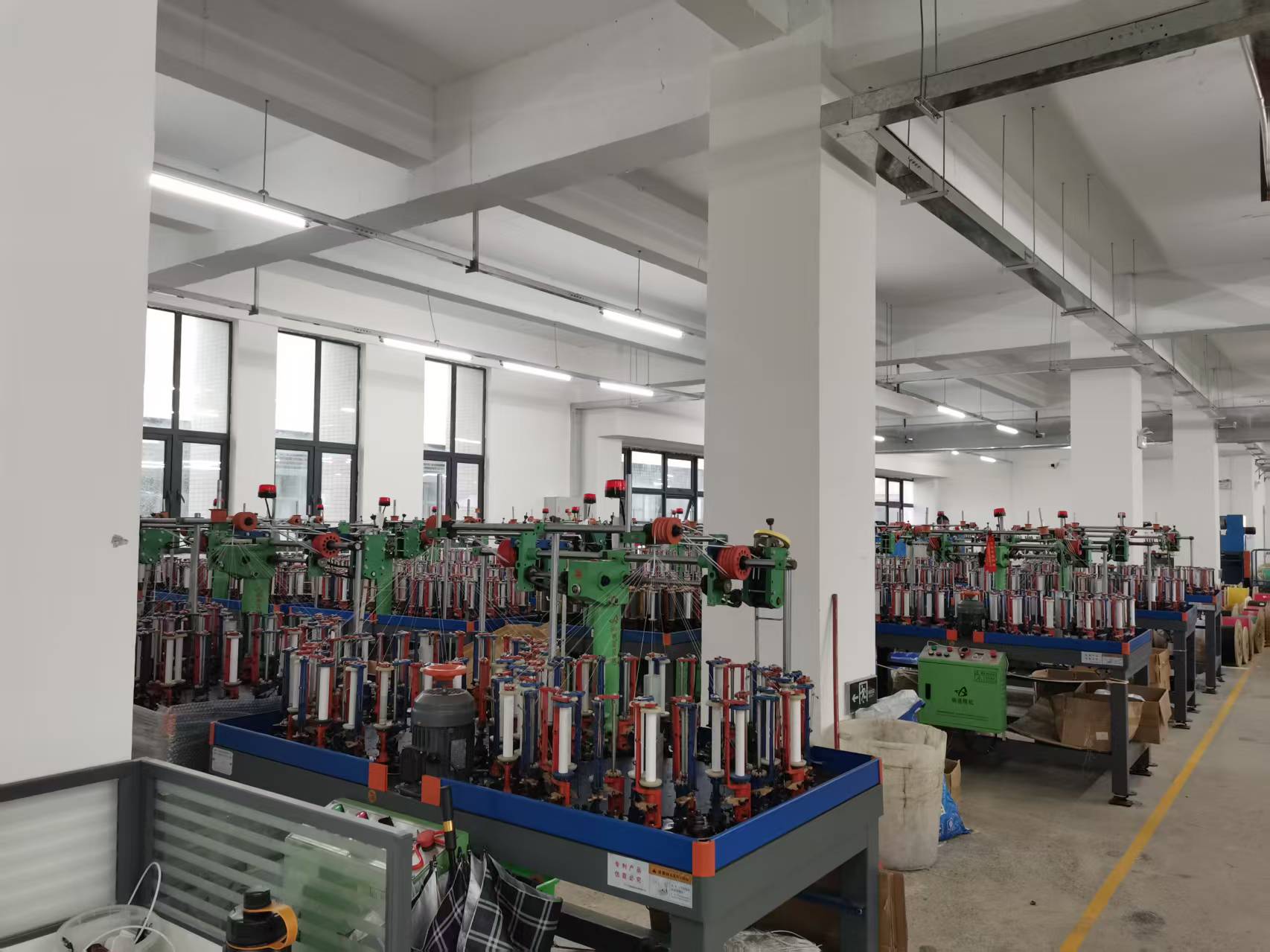
| Production Scale | Factory size (e.g., 5,000 m²), annual output (e.g., 20 million units), daily cable capacity (e.g., 50,000 pcs). |
| Customization | OEM/ODM support for parameters like cable length and logo imprinting. |
| Lead Time & MOQ | Standard lead time of 30 days and a Minimum Order Quantity (MOQ) of 2,000 units. |
| Quality Control | Implementation of 100% product testing before shipment. |
5. Understand Risk Mitigation and Product Safety
Proactive suppliers design products with built-in risk controls. Key areas to inquire about include:
- Overheating Protection: Use of PD E-Marker IC chips and compliance with LVD (Low Voltage Directive), EMC, and RoHS standards to manage thermal performance.
- Electrical Protection: Built-in safety circuits for over-current and over-voltage scenarios.
- Signal Integrity: Use of dual-layer shielding to reduce Electromagnetic Interference (EMI) and prevent unstable data transmission.
These measures are critical for ensuring product longevity and user safety, especially for devices that handle high power delivery.
6. Analyze Total Cost of Ownership (TCO) and Value Proposition
Look beyond the unit price. Consider efficiency, maintenance, and lifecycle costs. Some manufacturers may offer a cost advantage alongside performance parity or improvement in specific areas.
For example, when compared to established brands like UGREEN in the context of data transmission products, some suppliers may demonstrate a transmission speed performance gap of +5% alongside a cost difference that is approximately 10% lower, with claims of higher efficiency and less maintenance. Such comparisons should be validated with technical datasheets and pilot orders.
7. Review Supplier Support and Contract Terms
Finalize your selection by confirming logistical and commercial terms:
- Payment Terms: Common structures like 30% deposit and 70% balance before shipment.
- Delivery & Logistics: Standard Incoterms like FOB or CIF.
- After-Sales Support: Availability of remote technical support and professional customer service for compatibility inquiries and troubleshooting.
- Warranty & Compliance Guarantee: Ensure the supplier stands behind their certifications and product performance for the target market (e.g., EU/USA).
By systematically applying this seven-step framework, procurement teams can move beyond basic price comparisons and build strategic partnerships with capable suppliers. The goal is to source USB-C hubs and docking stations that are not only technically compliant and reliable but also offer sustainable value over their operational lifespan, ensuring seamless connectivity for modern work environments.
Have Questions or Need More Details?
Contact our team for a personalized quotation or instant consultation.
Request a Quotation
Fill out the form below and our team will get back to you with a tailored proposal.
WhatsApp Direct Chat
Prefer to chat in real-time? Message us on WhatsApp for instant assistance & quick answers.
- Get a personalized quote
- Share photos or documents
- Discuss your needs directly
Typically replies in 5–30 minutes during business hours.