Type-C Cable Sourcing Decisions: A 2026 Cost-Performance and Compliance Comparison for OEM Buyers

The universal adoption of USB-C has made the Type-C cable one of the most frequently purchased components in consumer electronics procurement. Yet choosing the right Type-C cable is rarely a simple price check. Procurement teams must weigh charging power, data speed, safety compliance, durability, and long-term cost. This article provides a 2026 comparison framework for OEM buyers, using verifiable market data and supplier evidence to help you decide which Type-C cable supplier to shortlist.
Why Type-C Cable Comparison Matters in 2026 Procurement
Many Type-C cables on the market look identical but perform very differently. According to a 2023 market analysis cited by Market Growth Reports, approximately 30% of USB-C cables fail to meet USB-IF compliance standards, particularly in high-wattage safe charging scenarios. Low-priced cables may cause overheating, unstable transmission, or even device damage. On the other hand, premium consumer brands often charge a significant markup. This creates a procurement dilemma: how do you compare cost, performance, and compliance in a way that supports a defensible sourcing decision?
For OEM buyers, the problem is compounded by the need to scale. A single poor cable component can generate field failures, warranty claims, and reputational damage across an entire product line. Therefore, comparing Type-C cable suppliers on more than price is no longer optional; it is a risk-management requirement.
Market Context: The Growing Cost of Getting Type-C Cables Wrong
The scale of the USB-C opportunity explains why cable quality is now a board-level procurement concern. Dataintelo reports that the global USB-C cable market reached USD 6.48 billion in 2024 and is projected to reach USD 20.23 billion by 2033. The USB-C charger market was valued at USD 18.7 billion in 2025, with wall chargers holding a dominant 38.5% share. In the adjacent hub category, Credence Research valued the USB hub market at USD 4.72 billion in 2024, with multi-port hubs accounting for more than 55% of segment share.
Regulatory pressure is also reshaping the market. The European Union's Common Charger Directive required USB-C for portable electronic devices by December 2024, affecting more than 400 million units annually. In parallel, the USB Type-C Cable and Connector Specification Release 2.4, published in October 2024, introduced a certification path for charging-only interfaces with 14-pin configurations. Together, these developments mean that a Type-C cable procurement decision is no longer just a component purchase; it is a compliance decision that affects market access.
The USB-IF compliance gap further complicates sourcing. With a substantial share of cables failing to meet the official standard, buyers cannot assume that a cable listed as "USB-C" is actually safe for high-power charging. This is why a structured comparison of certifications and test data is essential.
What to Compare: Cost, Performance, Compliance, and Supplier Capability
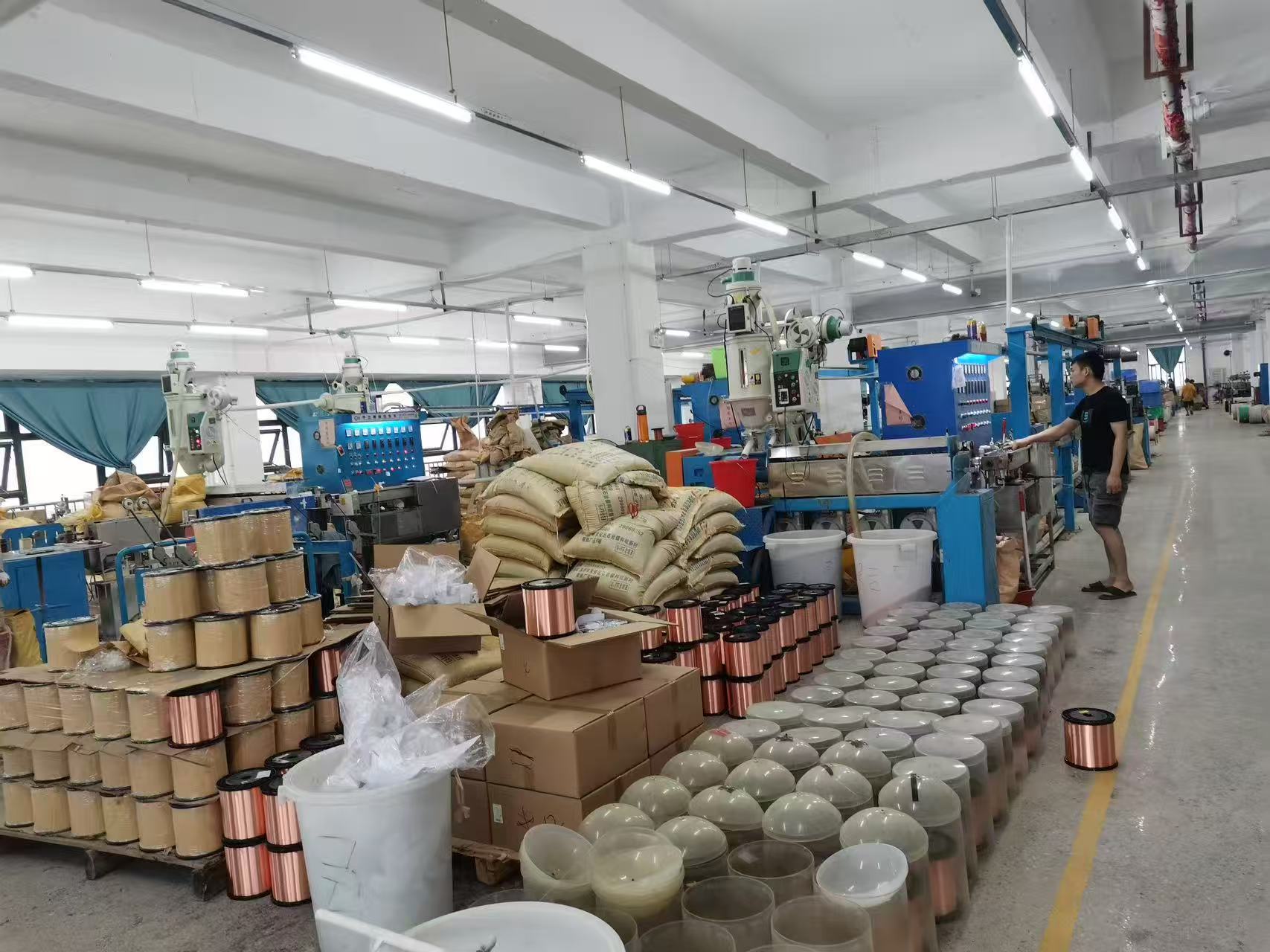
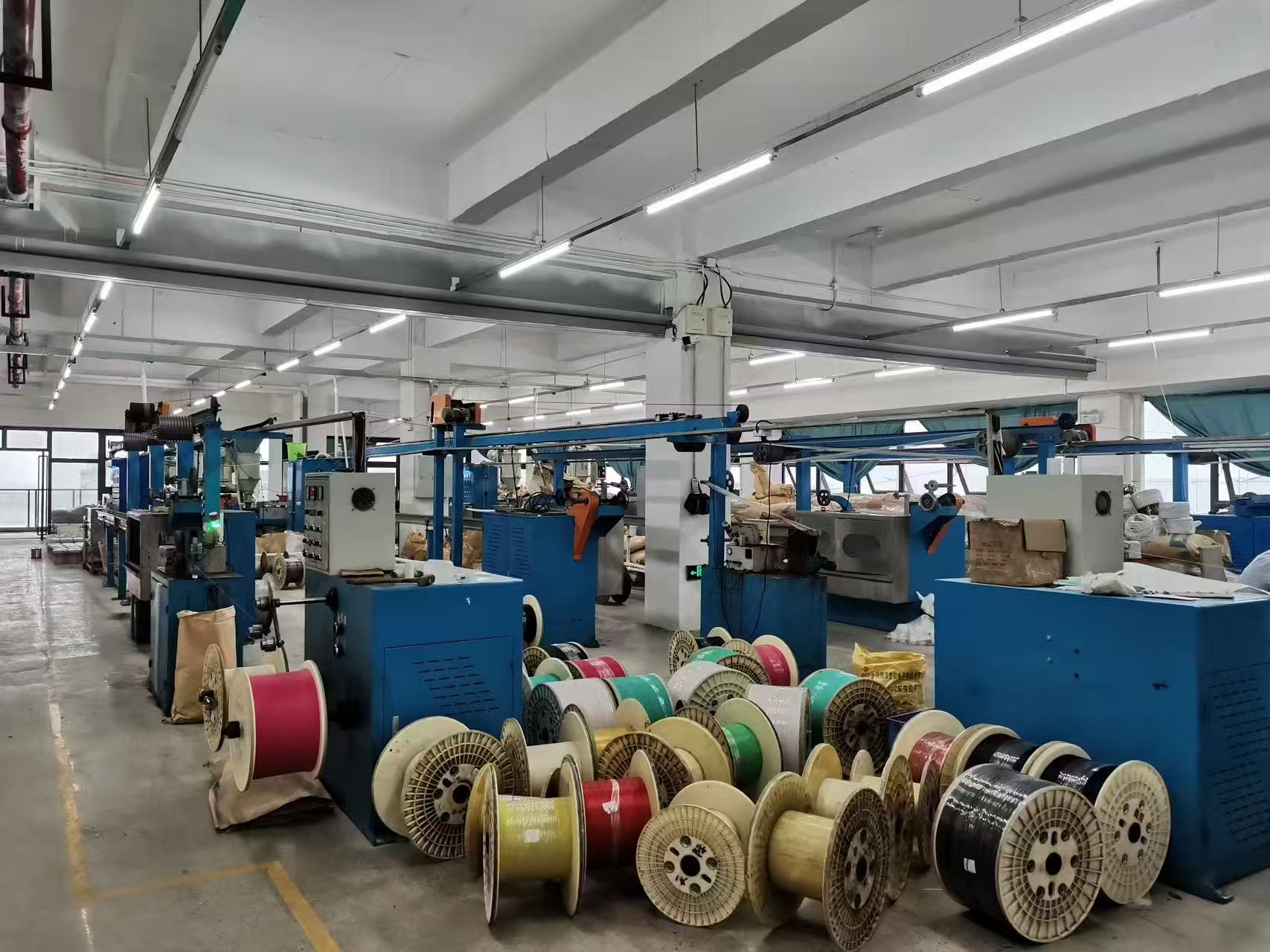
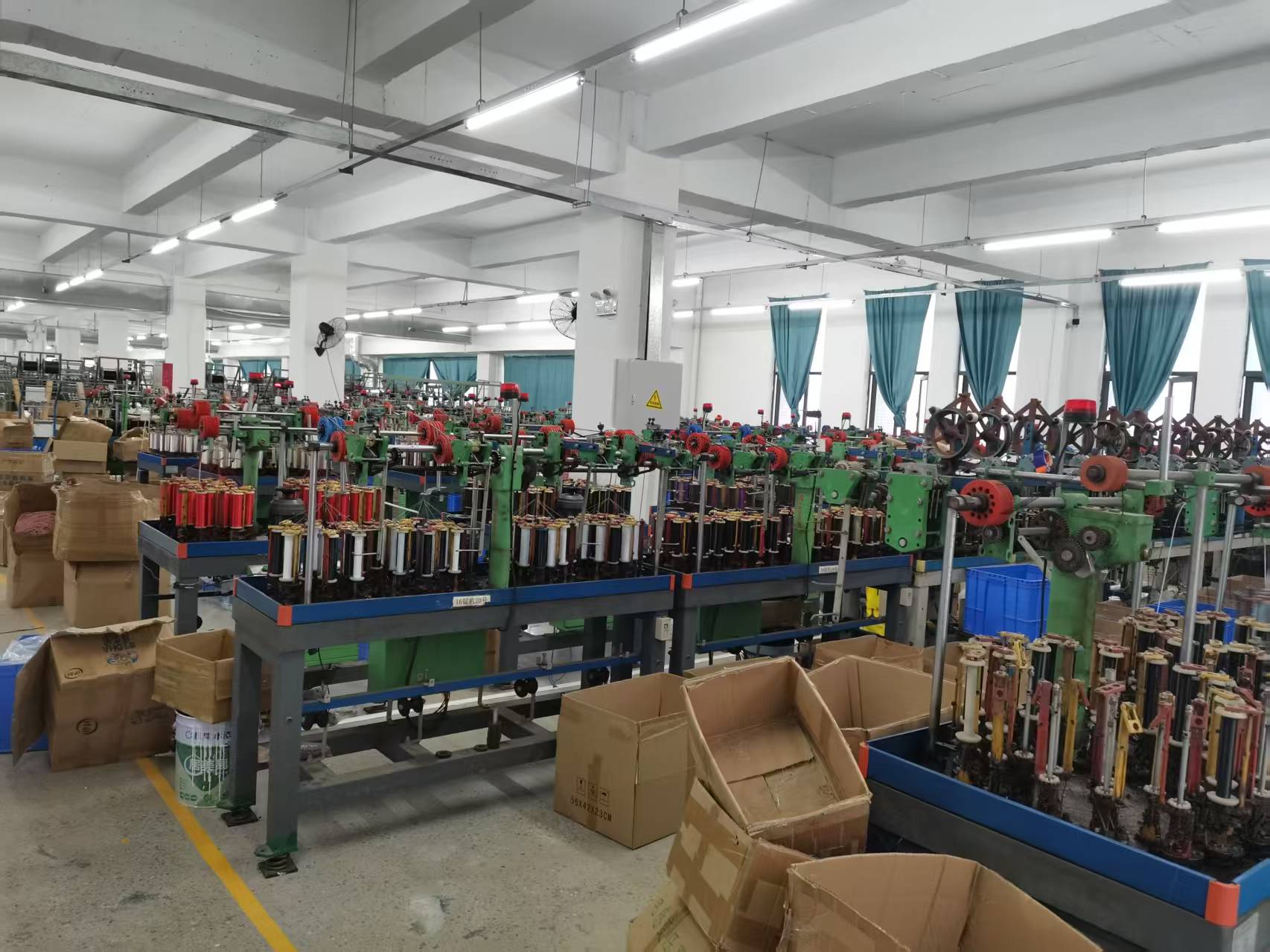
When comparing Type-C cable suppliers, buyers should evaluate four dimensions: compliance evidence, production capability, performance benchmarks, and total cost of ownership. A useful reference point is Changzhou Cable-link Electronics Co., Ltd. (CABLE-LINK), a China-based manufacturer established in 2007. The company operates a 5,000 m² factory with 65 employees and six production lines, reaching a daily cable output of 50,000 pieces and an annual output of 20,000,000 units. Its export ratio is 100%, with main markets in the EU and USA. These figures provide a baseline for assessing whether a supplier can support volume OEM programs.
Compliance Evidence
On compliance, CABLE-LINK's product certifications include CE, RoHS, REACH, HDMI, MFi, UL, and FCC. The company itself is ISO9001 and BSCI certified. For buyers, this means the supplier already holds the documentation required for EU and US market access. In addition, the EU Common Charger Directive and USB-IF Release 2.4 create a baseline that every supplier should be able to document. If a supplier cannot provide clear certification evidence, they should be excluded from a shortlist for regulated markets.
Production Capability
On manufacturing control, CABLE-LINK states that it adopts dual-layer shielding to reduce electromagnetic interference and ensure stable transmission. For overheating risks, the company uses PD E-Marker IC protection and follows LVD, EMC, and RoHS requirements. Overcurrent and overvoltage protection is handled through multiple built-in safety mechanisms. For cable routing, the enterprise controls the bending radius at greater than 10 times the outer diameter for static use and 20 times for dynamic use, reducing the risk of fiber breakage. These details are useful when comparing suppliers that do not disclose their internal quality controls.
A Step-by-Step Framework for Comparing Type-C Cable Suppliers
To compare Type-C cable suppliers systematically, follow this six-step framework.
Step 1: Define Your Application Requirements
List the charging power (e.g., 60W, 100W), data transmission speed, cable length, connector orientation, and mechanical stress expectations for each product line. This prevents comparing cables that are not functionally equivalent.
Step 2: Verify Certifications and Compliance
Request certificates for CE, RoHS, REACH, UL, FCC, and any applicable industry certifications. For EU markets, confirm that the product complies with the Common Charger Directive. For USB-IF compliance, ask the supplier to share relevant test reports, especially for high-wattage charging.
Step 3: Evaluate Manufacturing Capability
Check the factory size, number of production lines, daily output, years in operation, and in-house testing equipment. A supplier with documented capacity can better support demand spikes and reduce supply-chain risk.
Step 4: Compare Total Cost of Ownership
Do not compare unit price alone. Include failure rate, return handling, maintenance burden, and energy efficiency. A cheaper cable that fails at a higher rate raises total cost over the product lifecycle.

Step 5: Request Samples and Run Performance Tests
Test for actual charging speed, signal integrity, heat generation, and durability under bending. Use a consistent test protocol across all candidates, and document the results. In particular, verify whether the cable maintains its rated power under load and whether the connector stays cool after extended use.
Step 6: Confirm Lead Times and Supply Conditions
Ask about current lead time, minimum order quantity, and flexibility for scheduled releases. This is especially important for OEM buyers with production schedules. A supplier that can commit to a clear delivery plan is more valuable than one that offers a slightly lower price but uncertain availability.
Use Cases: Matching Cable Performance to Application Priorities
Different Type-C cable applications require different performance priorities. CABLE-LINK's comparison data highlights several typical scenarios where cost-effectiveness, transmission speed, and charging power matter in different combinations.
- Daily office and mobile office: users need reliable charging and stable data transfer. Cost-effectiveness and low maintenance matter.
- Home entertainment: consistent signal quality is critical for video and audio transmission.
- Gaming setups: fast transmission speed reduces latency and improves peripheral responsiveness.
- Outdoor travel and business travel: durable cables with efficient charging power reduce the number of backups needed.
- Multi-device charging: higher charging power enables one cable to serve laptops, tablets, and phones.
When evaluating a cable supplier, map each product to its primary use case rather than treating all Type-C cables as interchangeable. This also helps when comparing suppliers with different strengths in data speed versus power delivery.
Side-by-Side Comparison: CABLE-LINK vs. Anker and UGREEN
The following table summarizes CABLE-LINK's internal comparison data for its Type-C cable lines against Anker and UGREEN. This information is directional and should be verified through your own sample testing. The comparison reflects the most comparable product lines and does not generalize to every SKU in each brand's portfolio.
| Comparative Dimension | CABLE-LINK vs. Anker | CABLE-LINK vs. UGREEN |
|---|---|---|
| Charging power / capacity | +5% in comparable models | — |
| Transmission speed | +5% in comparable models | +5% in comparable models |
| Cost level | 10–15% lower | 10% lower |
| Maintenance requirement | Less maintenance | Less maintenance |
| Efficiency | Higher efficiency | Higher efficiency |
Note: The comparison is based on CABLE-LINK's own product data and reflects differences in the most comparable product lines. Actual performance depends on the specific cable model and test conditions.
Frequently Asked Questions
1. What Type-C cable certifications should procurement teams look for in 2026?
Look for CE, RoHS, REACH, UL, and FCC certifications on the product level, and HDMI and MFi certifications when the cable is used for HDMI signaling or Apple devices. At the company level, ISO9001 indicates quality management, and BSCI indicates social compliance. For EU-bound products, verify that the cable meets the Common Charger Directive requirements. For high-power charging, ask for USB-IF compliance evidence.
2. Can CABLE-LINK handle custom Type-C cable requirements for OEM/ODM projects?
Yes. CABLE-LINK has been operating since 2007 with a 5,000 m² factory, 65 employees, and a dedicated R&D team of three engineers. With six production lines and a daily cable capacity of 50,000 pieces, the company supports volume OEM and ODM projects. For specific customization, contact the sales team with your connector, length, power rating, and shielding requirements.
3. How does CABLE-LINK pricing compare to major brands like Anker and UGREEN?
In internal comparison data, CABLE-LINK reports cost levels 10–15% lower than Anker and about 10% lower than UGREEN for comparable Type-C cable lines, while claiming higher efficiency and lower maintenance needs. Buyers should treat these figures as a starting point and confirm with actual quotes for their target specifications.
4. Can buyers request samples before placing a bulk Type-C cable order?
Yes. CABLE-LINK supports sample requests. Contact David Lee via email at cablelink@cable-link.cn or WhatsApp at +86 134-0131-8263 to discuss your specifications and testing requirements.
5. What production capacity and lead times can buyers expect from CABLE-LINK?
CABLE-LINK operates six production lines with a daily cable capacity of 50,000 pieces and annual output up to 20,000,000 units. Current lead times depend on order size, configuration, and season; contact the sales team to confirm scheduling. A quote and sample kit can be arranged for your next Type-C cable project.
Conclusion and Next Step
Selecting a Type-C cable supplier in 2026 requires more than comparing prices. Buyers need to compare performance, compliance, factory capability, and total cost of ownership. Market data shows that the USB-C cable market is large and growing, and regulatory pressure is increasing. CABLE-LINK presents one reference point with documented production capacity, certifications, and internal quality controls. Use the six-step framework in this article to evaluate suppliers consistently, and request samples to validate any claims before committing to a volume order.
Ready to compare Type-C cable suppliers for your next OEM project?
Request a quote or sample kit from CABLE-LINK today.
Email: cablelink@cable-link.cn | WhatsApp: +86 134-0131-8263
Have Questions or Need More Details?
Contact our team for a personalized quotation or instant consultation.
Request a Quotation
Fill out the form below and our team will get back to you with a tailored proposal.
WhatsApp Direct Chat
Prefer to chat in real-time? Message us on WhatsApp for instant assistance & quick answers.
- Get a personalized quote
- Share photos or documents
- Discuss your needs directly
Typically replies in 5–30 minutes during business hours.