Powering a 2,000-Unit Retail Fleet: Type-C Cables, Hubs, and Fiber Deployment Guide
A fleet-scale Type-C rollout rarely fails because a single cable is defective. It fails because power, data, display, and distance were never separated into layers before the first pallet left the factory. This application guide explains how to specify, install, and accept Type-C charging, data, and display infrastructure across multi-site retail counters and kiosks, using a documented 2,000-unit deployment in France as the working reference.
This guide is written for procurement managers, project engineers, distributors, and system integrators at consumer electronics companies who are equipping hundreds or thousands of identical stations. The assumption throughout is that the reader already knows what USB-C is, and now needs to know which cable, which hub, and which fiber run belongs at which point of the installation.
The reference stack in this article is the one used in a completed France project: the CLE-18014 Type-C cable rated for 100W and 10 Gbps, the CLE-05005 USB4/Thunderbolt hub with 8K@30Hz multi-display output, and the CLE-16508 optical fiber supporting 1-100 Gbps up to 500 meters. That project covered 2,000 units for consumer electronics clients and has delivered two years of stable data transfer and charging.
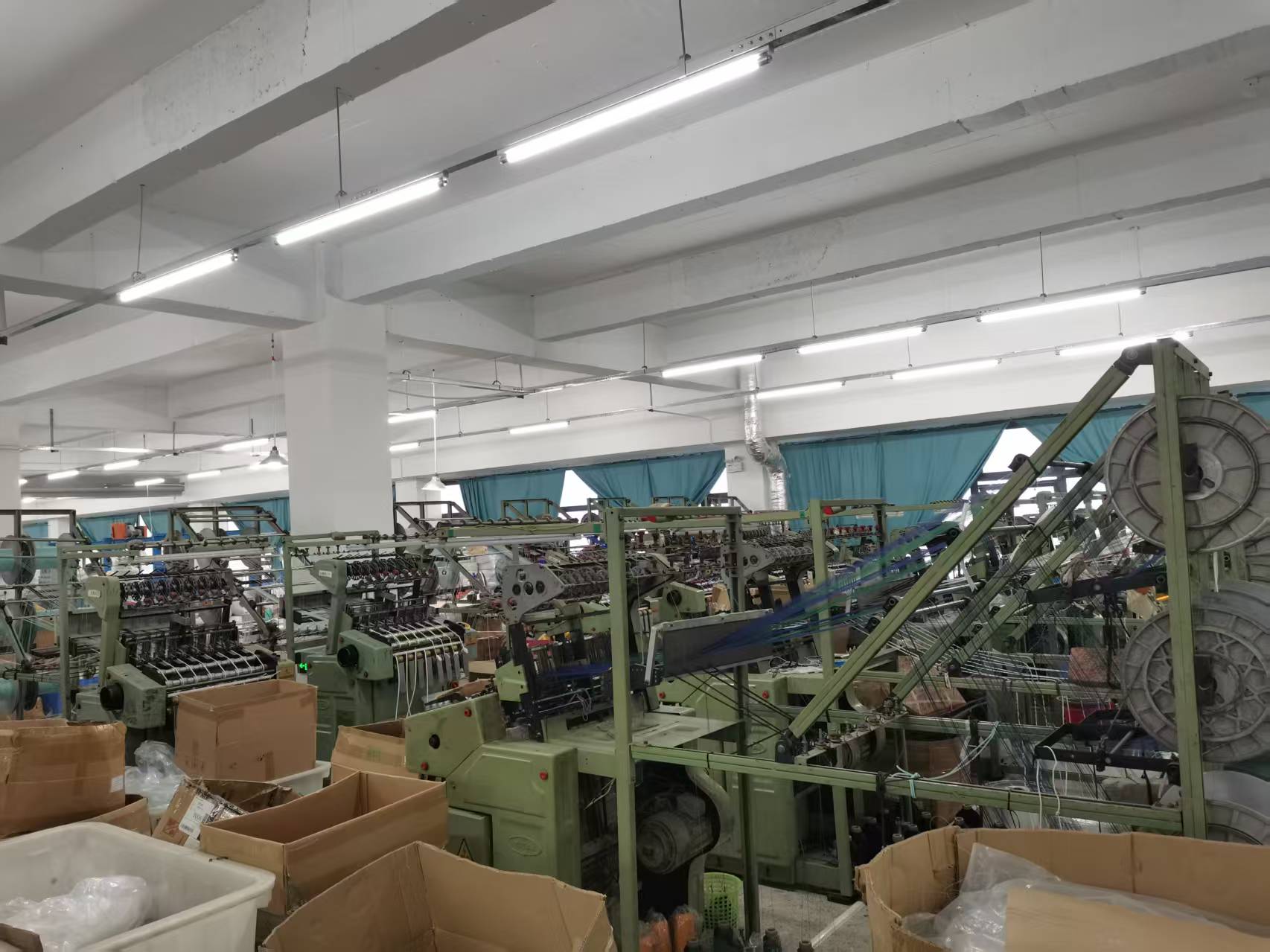
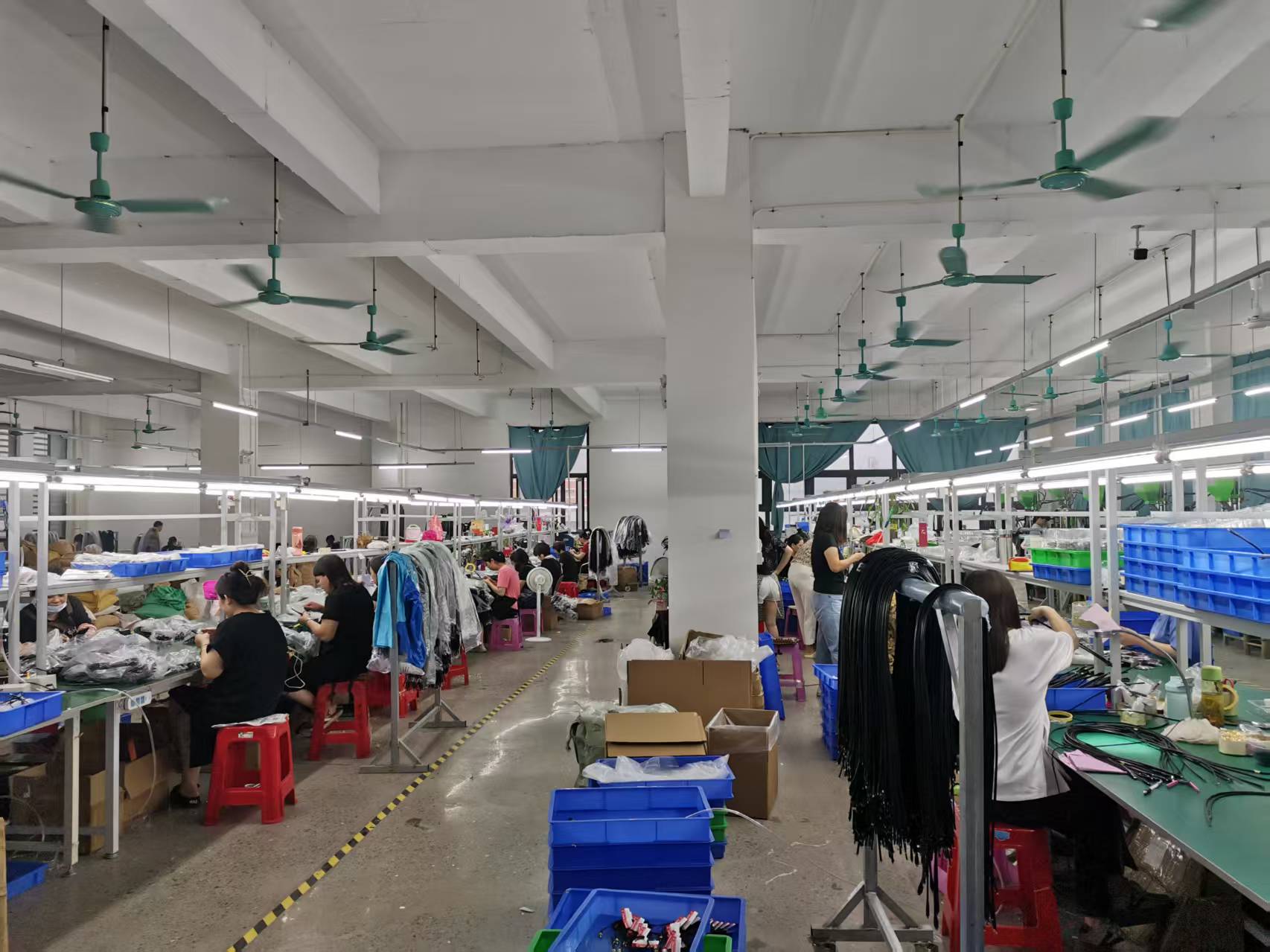
Cable production line at Changzhou Cable-link Electronics Co., Ltd. (CABLE-LINK), the manufacturer behind the CLE-18014, CLE-05005, and CLE-16508 stack.
Problem Definition: Why Fleet-Scale Type-C Projects Break
The core problem is that a single cable specification is often asked to do four different jobs at once: deliver up to 100W of power, carry high-speed data, drive a display, and cover a run that may be two meters or two hundred meters. Once those four jobs are separated into layers, most of the failure modes in a retail rollout disappear before the purchase order is signed.
In a 2,000-unit project, the difficulty is not the individual component. It is repetition. Every station must be identical in behaviour, every batch must be interchangeable with the next, and every unit must survive continuous commercial duty cycles in a store or kiosk environment.
Four specific problems recur in multi-site deployments:
- The station power budget is never calculated. A kiosk that charges a tablet, drives a receipt printer, and powers a display draws differently from a counter that charges a single handheld. When all positions are ordered against one power assumption, the under-specified stations become the first failure points.
- Short copper runs and long backbone runs are treated as the same problem. Copper is the correct answer inside a station. It is rarely the correct answer for a run across a store floor, a warehouse, or between a back-office rack and a front-of-store kiosk.
- One hub type is expected to serve every display configuration. A single-display counter and a multi-display signage position have different requirements, and the hub must be selected against the display layout rather than against the port count alone.
- The incoming batch is never tested against a documented acceptance criterion. Without a pre-shipment test report and an agreed acceptance criterion, defects surface at installation, where the cost of a return is highest.
There is also a commercial dimension. Spare units, replacement cycles, and the ability to reorder exactly the same configuration eighteen months later are part of the specification. A rollout that works but cannot be reproduced is not a completed rollout.
Industry Background: Why Type-C Fleet Standardisation Is Growing
The shift toward Type-C as the default physical interface for both power and data is visible in three separate market segments that a retail rollout touches simultaneously.
According to Dataintelo, the global USB-C cable market reached USD 6.48 billion in 2024 and is projected to reach USD 20.23 billion by 2033. The USB hub market, measured separately by Credence Research, was valued at USD 4.72 billion in 2024, with multi-port hubs accounting for over 55% of the segment share. Dataintelo also values the USB-C charger market at USD 18.7 billion in 2025, with wall chargers holding a dominant 38.5% share. For buyers, the practical reading is that docking and expansion hardware is now the volume segment of the market, not an accessory line.
Regulation has reinforced the same direction. The European Union's Common Charger Directive mandated USB-C for all portable electronic devices by December 2024, a change affecting over 400 million units annually according to the European Parliament. For any consumer electronics fleet deployed in EU markets, USB-C compatibility is no longer a preference; it is the baseline assumption of the receiving market.
Standards work has continued alongside the regulation. The USB Type-C Cable and Connector Specification Release 2.4, published in October 2024 by the USB Implementers Forum, defines a certification path for charging-only interfaces and allows 14-pin configurations for power-sensitive devices. That matters in retail hardware because it distinguishes a power-focused cable from a full-featured data and display cable, which should be a deliberate choice rather than an accident of sourcing.
The quality gap is the remaining risk. Market Growth Reports estimated that approximately 30% of USB-C cables on the market do not meet USB-IF compliance standards, particularly regarding high-wattage safe charging. In a consumer purchase this is a nuisance; in a 2,000-unit commercial fleet it is an operational exposure, because the same cable that charges a handheld on day one may be the cable that fails during a peak trading period.

Production floor: fleet-scale Type-C orders are built as repeatable batches, not as one-off assemblies.
Detailed Solution: Structuring the Rollout as Three Layers
A multi-site Type-C deployment is best specified as three layers. Layer one is the station link that carries power and data between the device and the hub or charger. Layer two is the expansion layer that turns one port into many for peripherals and displays. Layer three is the backbone that carries signal across distance. The CLE-18014 cable, the CLE-05005 hub, and the CLE-16508 optical fiber map to those three layers respectively.
Layer 1 - The Station Link: CLE-18014, 100W and 10 Gbps
The CLE-18014 Type-C cable is the device-level link. It is rated for 100W power delivery and 10 Gbps data transfer in the same assembly, which means a single cable per station can charge a device and carry its data traffic without a second connection. In a kiosk or counter, this reduces the number of points that can fail and simplifies the maintenance procedure: a station has one cable, one plug orientation, and one replacement part number.
The 100W rating sets the ceiling for what a station can pass through the cable. Positions that charge handhelds, tablets, or laptops should be specified against that ceiling from the start, because upgrading a power path after installation usually means re-terminating a cable run rather than swapping a component.
Layer 2 - The Expansion Layer: CLE-05005 USB4/Thunderbolt Hub with 8K@30Hz
The CLE-05005 is a USB4/Thunderbolt hub designed for multi-display output at 8K@30Hz. Its role is to convert a single Type-C station connection into a port cluster that serves peripherals and one or more displays. Positions that show customer-facing content, mirror a POS screen, or drive a secondary signage display belong on this layer rather than on a direct cable run.
Selecting the hub against the display layout, rather than against port count alone, is what prevents the most common post-installation complaint: a station that powers on correctly but cannot drive the number of screens the store actually installed.
Layer 3 - The Backbone: CLE-16508 Optical Fiber, 1-100 Gbps up to 500 Meters
The CLE-16508 optical fiber handles the distance problem. It supports data rates from 1 Gbps to 100 Gbps and runs of up to 500 meters. In a retail environment, that covers the span between a back-office network rack and front-of-store counters, between separate floors of the same building, or between a kiosk cluster and the point where the local network terminates.
Separating the backbone from the station link is the single most effective design decision in a multi-site rollout. The station link is short, frequently handled, and replaceable by store staff. The backbone is long, installed once, and should not be touched again until the building is refitted.
The Manufacturer Behind the Stack: CABLE-LINK
Changzhou Cable-link Electronics Co., Ltd., trading as CABLE-LINK, is a cable and power bank manufacturer and exporter based in Changzhou, Jiangsu, China. The company was established in 2007 and operates a 5,000 m² production area with six production lines and an annual output of 20,000,000 units. Its product range covers Type-C cables, HDMI cables, network cables, and power banks, with 100% export to EU and USA markets. CABLE-LINK holds CE, RoHS, REACH, HDMI, MFi, UL, and FCC listings for its products, and the company is ISO9001 and BSCI certified. OEM production is offered with customization in cable length and logo.
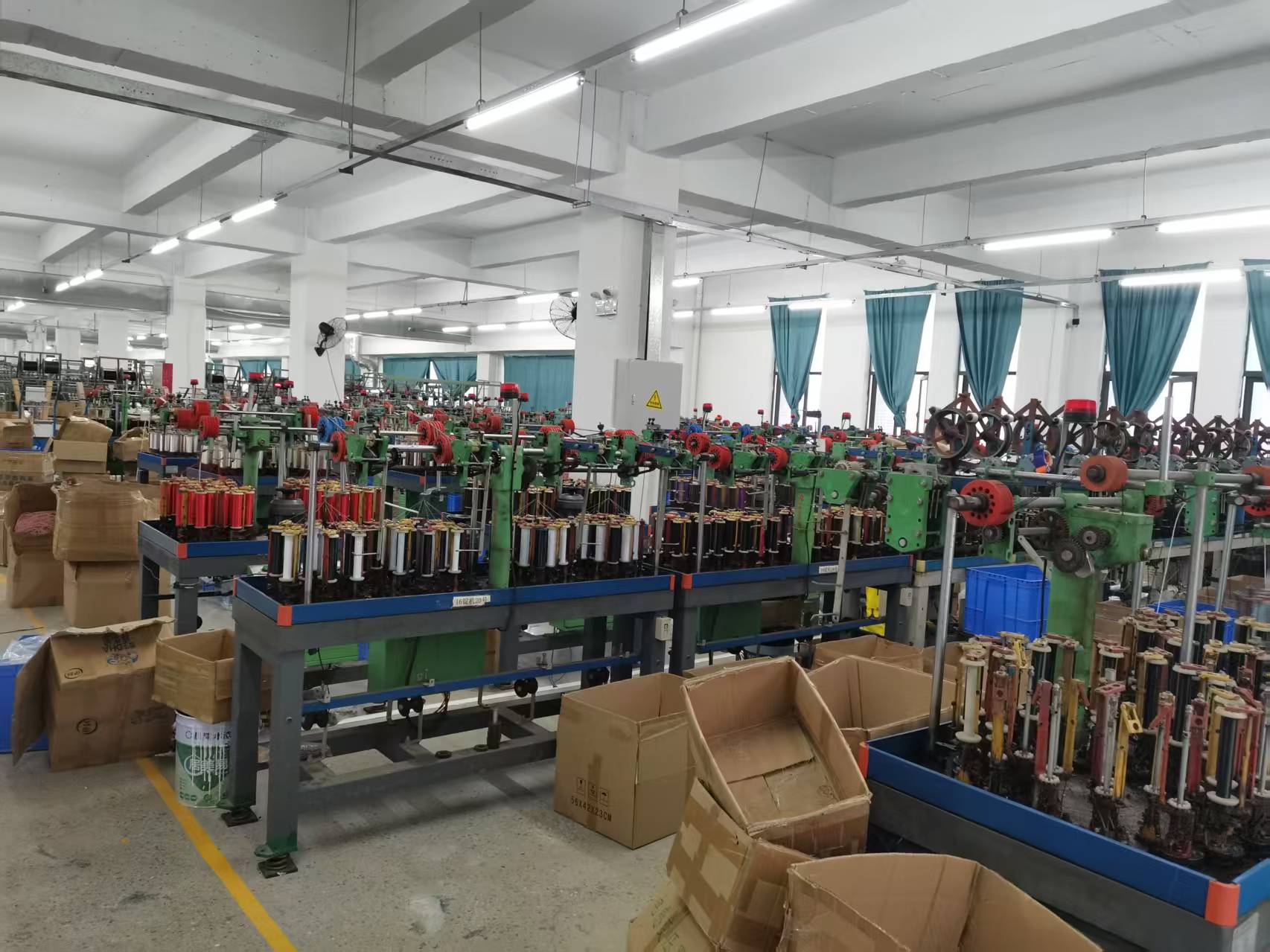
In-house testing equipment supports 100% testing of cable batches before shipment.
Step-by-Step Breakdown: Deploying the Fleet
- Inventory every endpoint position. Walk each site and record what each position must do: charge only, charge plus data, or charge plus data plus display. The count of display-driving positions determines how many CLE-05005 hubs are required, and the count of charge-only positions determines where a simpler station link is sufficient.
- Set the power budget per station. Treat 100W as the working ceiling for the CLE-18014 station link and add up the simultaneous loads at each position. Positions with fixed mains power and multiple devices are better served by a separate wall charger alongside the cable, so the cable is not asked to distribute power it was never specified to distribute.
- Split the runs by distance. Any connection inside a station stays on copper. Any run that crosses a store floor, connects a rack to a kiosk cluster, or exceeds the practical limit of a passive copper assembly moves to the CLE-16508 optical fiber, which supports 1-100 Gbps up to 500 meters.
- Choose the hub against the display layout. Specify the CLE-05005 USB4/Thunderbolt hub for positions that need multi-display output at 8K@30Hz. One hub per display-driving position is the simplest and most supportable pattern across sites.
- Lock the compliance file before ordering. Confirm which certificate covers which component and keep the numbers in the project documentation. The Type-C cable line is covered by CE Verification of Conformity CTL1803201013-EC, issued on 10 April 2019 by Shenzhen CTL Testing Technology Co., Ltd. against EN 55032:2015, EN 55024:2010+A1:2015, EN 61000-3-2:2014 and EN 61000-3-3:2013. The fiber optical cord range is covered by Certificate of Conformity ECT2019E0822166C-Y1, issued on 22 August 2019 by Shenzhen ECT Testing Technology Co., Ltd. against EN 55032:2015 and EN 55035:2017. The USB hub range carries Certificate of Conformity HX1709161236, issued on 16 September 2017 by Shenzhen HX certification testing Co., Ltd. Wall charger positions are covered by Certificate of Compliance BSTXD200815069701EC, issued on 3 September 2020 by BST Testing (Shenzhen) Co., Ltd. against EN55032:2015, EN61000-3-2:2014, EN61000-3-3:2013 and EN55035:2017.
- Lock the bill of materials and the customization. CABLE-LINK provides OEM production with customization in length and logo for EU and USA markets. Because a fleet order is a repeatable specification, custom length and logo should be fixed at the first order so that replacement units from later batches match the installed base exactly.
- Define acceptance inspection before shipment. Acceptance is set at pre-shipment test against the agreed specification, supported by test reports, with 100% testing applied to the batch. Delivery terms are FOB or CIF, and payment terms are 30/70. Writing this into the purchase order converts an argument at the loading dock into a documented check at the factory.
- Plan commissioning, labelling, and spares. Label each cable and hub by layer (station, expansion, backbone) so store staff can replace the correct part without a technician visit. Hold a spare ratio of station links against the installed base, since these are the parts most frequently handled. The France deployment referenced in this guide has run for two years of stable data transfer and charging, which is a realistic benchmark to set for a retail installation of this size.
Use Cases: What the Layers Look Like in Practice
The clearest evidence for this architecture comes from a completed deployment rather than from a specification sheet. A consumer electronics client in France deployed 2,000 units in a project focused on data transfer and charging, and the installation has delivered two years of stable operation.
Multi-site charging and data in France. The France project covered 2,000 units for consumer electronics clients, combining data transfer and charging in the same installation. Two years of stable operation is the relevant benchmark: it means the station link layer was specified correctly at the start and did not need to be re-specified during the service period.
Laptop expansion at the counter. A separate France project used the same scale of 2,000 units for laptop expansion, with multi-port expansion as the specific requirement. This is the pattern that maps to the CLE-05005 USB4/Thunderbolt hub: one Type-C connection at the device, multiple ports available at the counter for peripherals and displays.
Network data transfer at 10 Gbps. A further France project deployed 2,000 units for network data transfer, with 10 Gbps high-speed transfer as the key requirement, and has also run for two years with stable results. This is the direct match for the CLE-18014 station link, and it demonstrates that the 10 Gbps rating is a working figure in commercial conditions rather than a laboratory maximum.
Audio and video transmission. Another France project at the same 2,000-unit scale was deployed for audio and video transmission, with 4K@120Hz output as the headline requirement for smooth gameplay. This case shows how the same fleet architecture extends into display-heavy positions, where the hub layer carries the multi-display load.
Across all four cases, the pattern is consistent: a defined quantity, a defined application, a two-year stability result, and a specification that can be reordered. That combination is what a retail or kiosk operator actually needs from a hardware partner.

CE Certificate of Conformity ECT2019E0822166C-Y1 covering the fiber optical cord range, tested against EN 55032:2015 and EN 55035:2017.
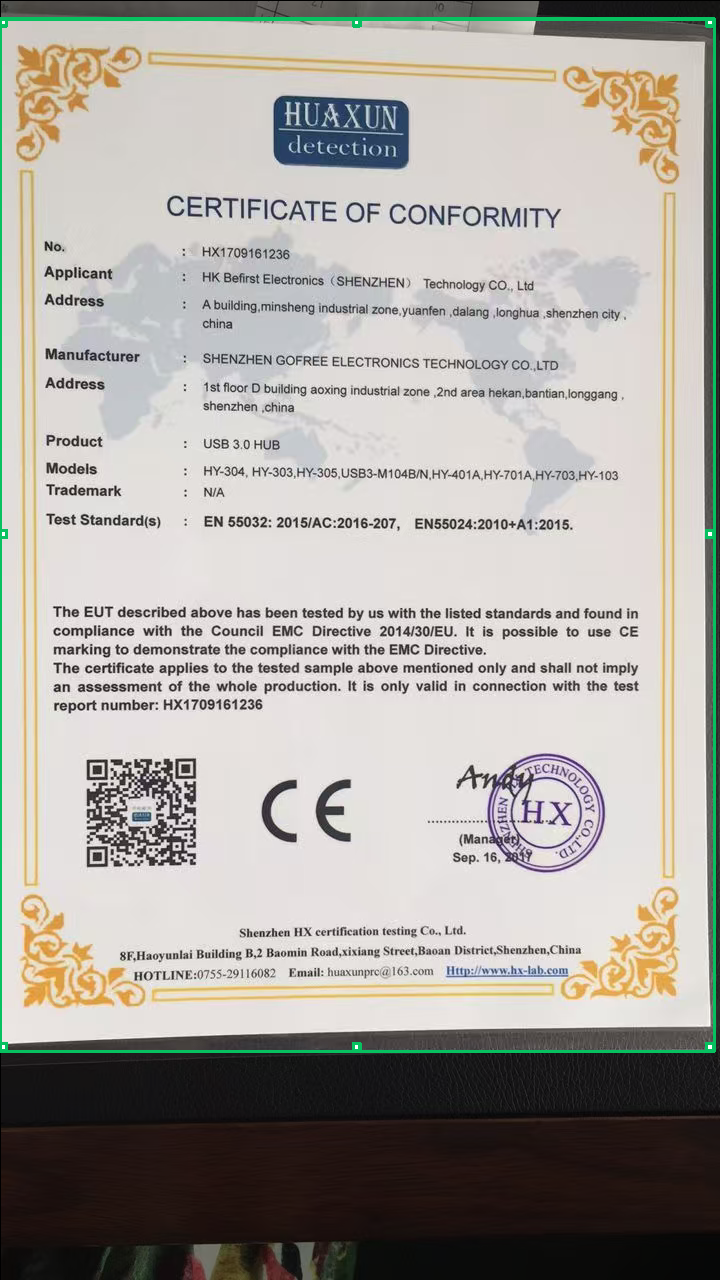
CE Certificate of Conformity HX1709161236 covering the USB hub model family.
Comparison Table: Matching Each Model to Its Layer
The three components are not alternatives to one another. They occupy different positions in the same installation, and the table below shows which job each one is specified to do.
| Model | Function in the rollout | Power | Data / signal | Display | Reach | Best-fit placement |
|---|---|---|---|---|---|---|
| CLE-18014 | Type-C cable, station link | 100W | 10 Gbps | Not applicable | Within-station connection | Device port to hub or charger |
| CLE-05005 | USB4 / Thunderbolt hub, expansion layer | Not applicable | USB4 / Thunderbolt | 8K@30Hz multi-display output | Within-station connection | Counters and kiosks driving one or more displays |
| CLE-16508 | Optical fiber, backbone layer | Not applicable | 1-100 Gbps | Not applicable | Up to 500 meters | Rack to kiosk cluster, floor to floor, back office to front of store |
A practical rule follows from the table: order the cable and the hub in proportion to the number of staffed or display-driving positions, and order the fiber in proportion to the physical size and layout of each site. Sites of the same commercial size do not always need the same amount of backbone.
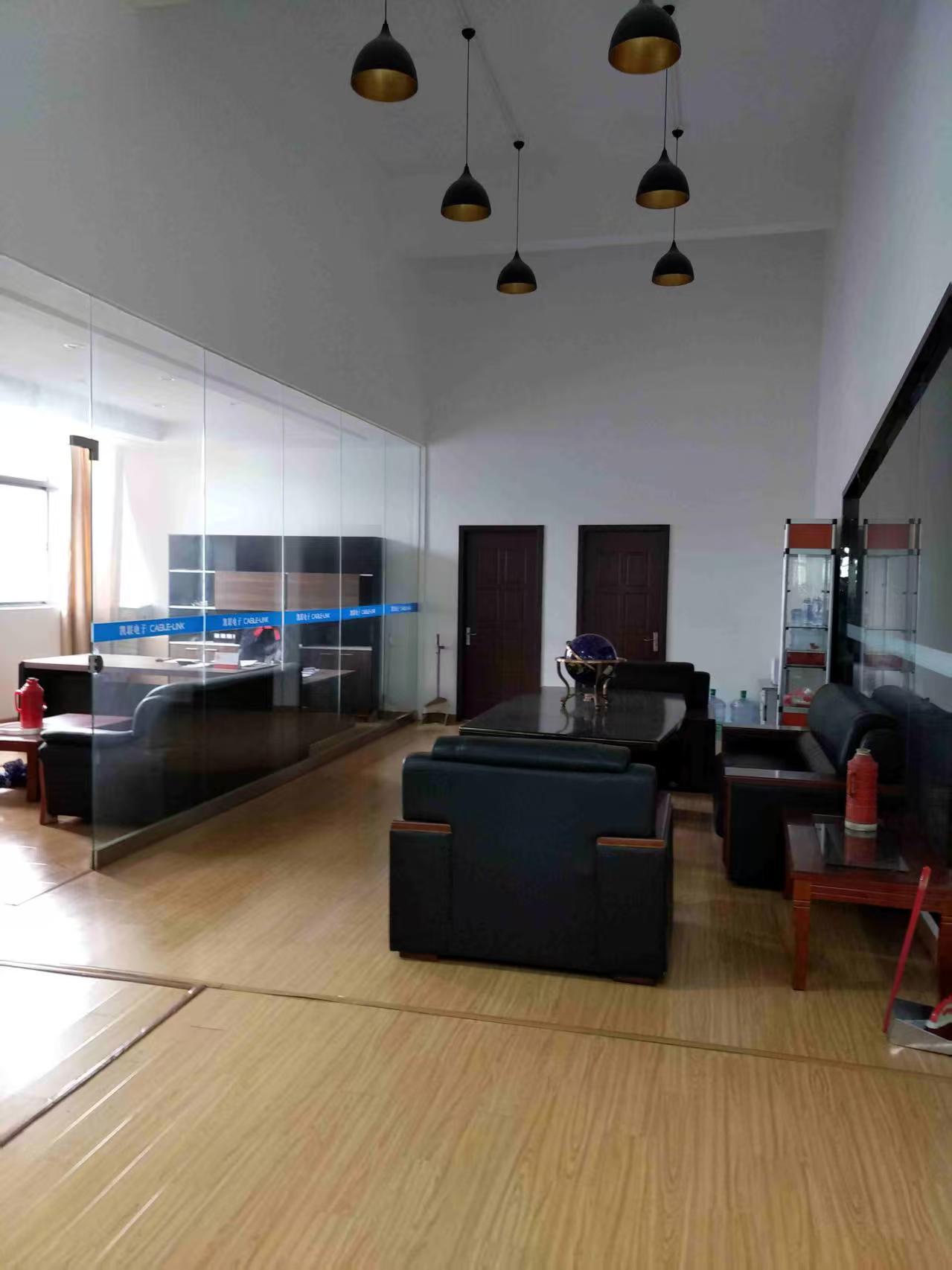
Batch preparation before shipment: fleet orders are checked against specification, with 100% testing applied and pre-shipment test reports available for acceptance.
Frequently Asked Questions
1. Which certifications should a Type-C, hub, and fiber deployment carry for an EU retail rollout?
The cable line, the hub family, the fiber range, and wall charger models each carry their own EU documentation, and the certificate should be matched to the component rather than applied to the whole order. The Type-C cable line is covered by CE Verification of Conformity CTL1803201013-EC, issued on 10 April 2019 by Shenzhen CTL Testing Technology Co., Ltd. against EN 55032:2015, EN 55024:2010+A1:2015, EN 61000-3-2:2014 and EN 61000-3-3:2013. The fiber optical cord range is covered by Certificate of Conformity ECT2019E0822166C-Y1 from Shenzhen ECT Testing Technology Co., Ltd., tested against EN 55032:2015 and EN 55035:2017. The USB hub range is covered by Certificate of Conformity HX1709161236 from Shenzhen HX certification testing Co., Ltd. Wall charger positions are covered by Certificate of Compliance BSTXD200815069701EC from BST Testing (Shenzhen) Co., Ltd. At company level, CABLE-LINK products hold CE, RoHS, REACH, HDMI, MFi, UL and FCC listings, and the company is ISO9001 and BSCI certified.
2. Can the cables and hubs be customized for a 2,000-unit fleet?
Yes. CABLE-LINK provides OEM production services and offers customization in length and logo for EU and USA markets. For a fleet rollout, customization is usually locked at the first order so that units from later batches remain physically and electrically identical to the installed base. The manufacturer operates a 5,000 m² production area with six production lines and an annual output of 20,000,000 units, with a monthly capacity of 300,000 units, which is the relevant figure when a rollout is phased across several sites rather than delivered at once.
3. What are the purchasing terms and acceptance criteria?
The minimum order quantity is 2,000 units. Delivery terms are FOB or CIF. Payment terms are 30/70. Acceptance criteria are set at pre-shipment test, which means the batch is checked against the agreed specification before it leaves the factory rather than after it arrives on site. For a rollout with a fixed installation calendar, the acceptance step should be written into the purchase order with the test report as the deliverable, because re-testing or replacing a batch in the destination market costs considerably more than documenting it at origin.
4. How is a batch validated before shipment?
Validation relies on pre-shipment test reports supported by 100% testing of the batch. In practice, the buyer should agree the acceptance criteria in writing, receive the test report before the goods are released, and keep the report with the project compliance file so that the same standard can be applied to every subsequent batch and to any spare units ordered later. This is the step that turns a delivery into a documented handover, and it is the reason acceptance is defined at the factory rather than at the loading dock.
5. What is the lead time and production capacity for a 2,000-unit project?
The standard lead time is 30 days, and monthly capacity is 300,000 units, so a 2,000-unit order sits well inside a single planning cycle and leaves room for phased delivery across multiple sites. For a staged rollout, the practical approach is to confirm the first batch against the acceptance criteria, then release subsequent batches against the same locked specification. Project teams that want to review samples, test reports, or a quote for a specific fleet configuration can contact CABLE-LINK directly to start the specification review.
Conclusion: Specify the Layers, Then Specify the Parts
A 2,000-unit retail fleet is not a large cable order. It is a small infrastructure programme that happens to be delivered in cable-sized components. The projects that hold up over time are the ones that decided early which connection carries power, which carries data, which drives displays, and which crosses distance.
The France deployments described in this guide illustrate the outcome of that discipline: 2,000 units, consumer electronics clients, and two years of stable data transfer and charging, repeated across charging, laptop expansion, 10 Gbps network data transfer, and audio and video transmission applications. The components were not unusual. The structure was.
For procurement teams planning a comparable rollout, the working sequence is straightforward: map the endpoints, set the station power budget against a 100W station link such as the CLE-18014, select the CLE-05005 USB4/Thunderbolt hub wherever multi-display output at 8K@30Hz is required, and move every long run to the CLE-16508 optical fiber rated for 1-100 Gbps up to 500 meters. Then lock the compliance file, lock the customization, and define acceptance at pre-shipment test.
Doing this before the purchase order is issued is what keeps a multi-site rollout predictable in month two and still predictable in year two.
Next Step: Review Your Fleet Specification
CABLE-LINK supplies Type-C cables, USB4/Thunderbolt hubs, optical fiber, and power accessories for multi-site consumer electronics deployments, with OEM customization in length and logo for EU and USA markets.
Have Questions or Need More Details?
Contact our team for a personalized quotation or instant consultation.
Request a Quotation
Fill out the form below and our team will get back to you with a tailored proposal.
WhatsApp Direct Chat
Prefer to chat in real-time? Message us on WhatsApp for instant assistance & quick answers.
- Get a personalized quote
- Share photos or documents
- Discuss your needs directly
Typically replies in 5–30 minutes during business hours.