Building a Long-Term Type-C Cable Supply Partnership with CABLE-LINK
At the execution stage of a Type-C cable sourcing project, procurement teams stop asking only about single-unit price. They start asking about the relationship underneath the price: How predictable is capacity? How stable is compliance documentation? What happens when the order pipeline expands from a planned launch into a multi-year distribution program? This article provides a qualification framework for long-term supplier relationships in the USB-C ecosystem, using Changzhou Cable-link Electronics Co., Ltd. (CABLE-LINK) as a working example of a manufacturer whose public corporate profile can be reviewed against those questions.
The Real Problem: Short-Term Price Logic Cannot Sustain a USB-C Program
One-time buying and multi-year supply require different diligence. In a one-off order, a buyer can inspect a sample, negotiate a price, and accept some uncertainty. In a long-term program, small weaknesses become repeated cost: unstable transmission creates returns, overheating creates safety complaints, missed compliance documents block customs, and capacity bottlenecks delay product launches. The industry context makes these risks more visible. A market-research summary notes that approximately 30% of USB-C cables currently on the market fail to meet USB-IF compliance standards, especially for high-wattage safe charging. The European Union Common Charger Directive mandated USB-C as the common charging port for portable electronic devices by December 2024, affecting an estimated 400 million units annually. For buyers, the practical conclusion is that supplier selection must shift from price comparison to control-system comparison.
Industry Background: A Market That Favors Committed Supplier Relationships
The global USB-C cable market was valued at USD 6.48 billion in 2024 and is projected to reach USD 20.23 billion by 2033, according to Dataintelo. The charging side is equally large: the USB-C charger market is estimated at USD 18.7 billion in 2025, with wall chargers accounting for a dominant 38.5% share. A separate analysis from Credence Research places the USB hub market at USD 4.72 billion in 2024, with multi-port hubs making up more than 55% of that segment. In mobile chargers, Asia Pacific held a 41.2% revenue share in 2023, according to Grand View Research. These figures show that USB-C accessories are not a niche product line; they are a core category for distributors, brand owners, and consumer-electronics OEMs.
Standards are also moving. The USB Type-C Cable and Connector Specification Release 2.4, published in October 2024, defines a certification path for charging-only interfaces and permits 14-pin configurations for power-sensitive devices. This means the technical goalposts for Type-C cables are still being updated. A long-term supplier must be able to track certification changes and adjust product designs accordingly. Anker and Belkin are frequently named in third-party retail rankings as leading accessory brands, but an import program, private-label project, or distribution deal usually needs a manufacturing partner behind the SKU, not only a branded product.
CABLE-LINK: A Manufacturing Profile for Long-Term Procurement
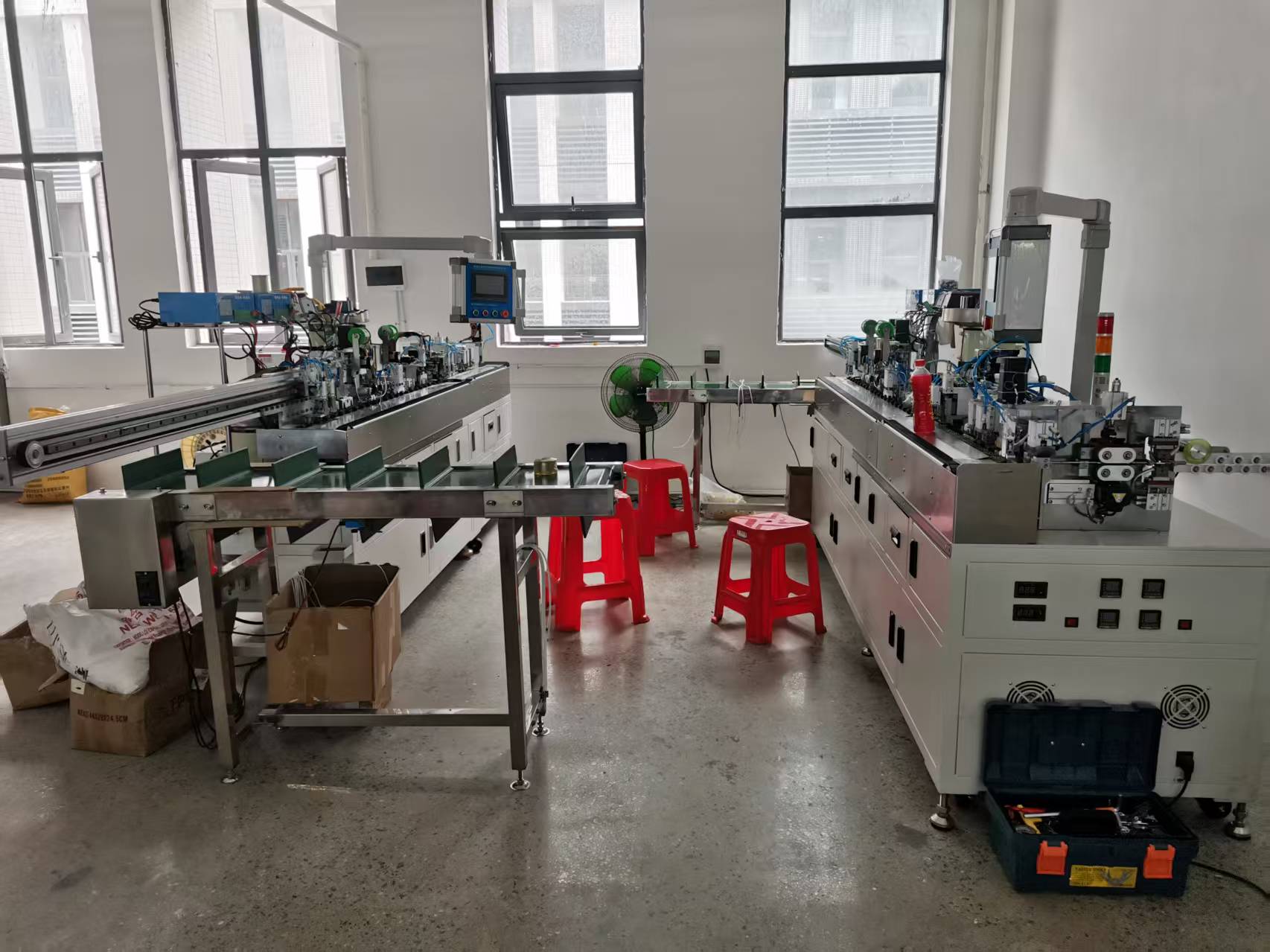
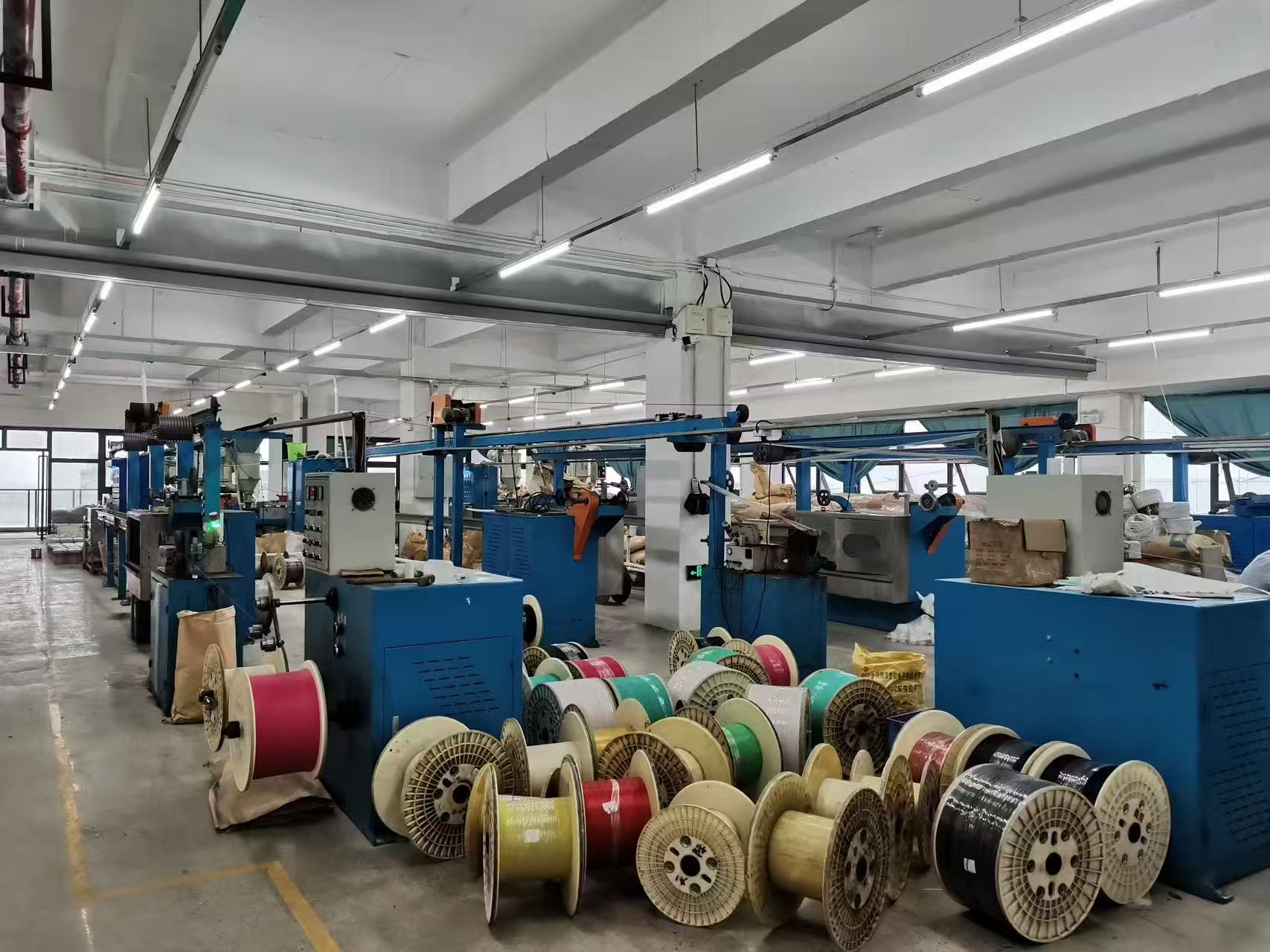
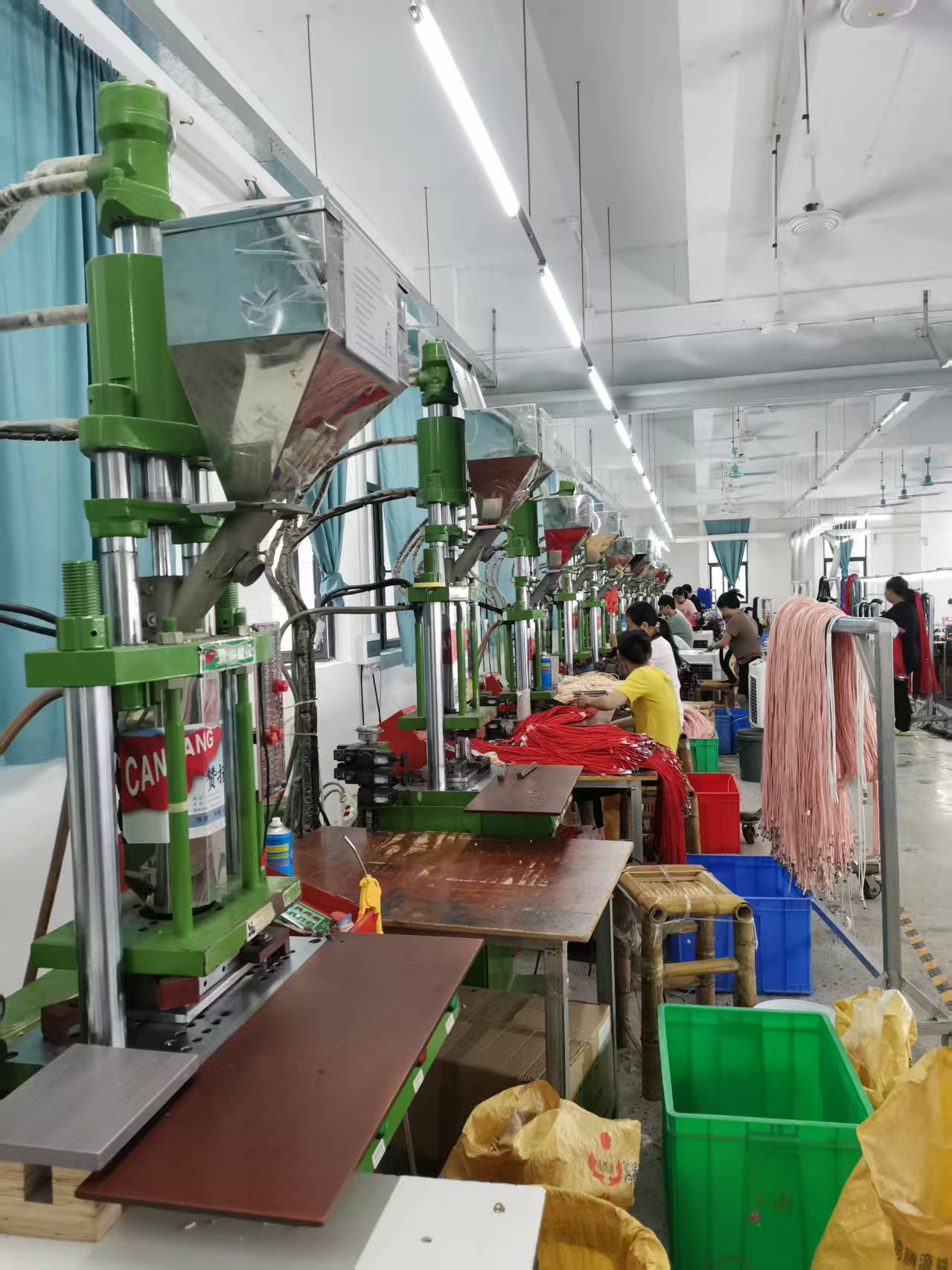
Changzhou Cable-link Electronics Co., Ltd., commonly known as CABLE-LINK, is a manufacturer and exporter of cables and power banks. The company was established in 2007 and is located in Hutang Science & Technology Industry Park, Hutang Town, Wujin, Changzhou, Jiangsu, China. Its main products include Type-C cables, HDMI cables, network cables, and power banks. CABLE-LINK operates in a 5,000 square meter production area with 65 employees and six production lines. Daily cable production capacity is 50,000 pcs, and the stated annual output is 20,000,000 units. The company exports 100% of its products, primarily to the EU and USA.
For compliance-sensitive buyers, the corporate record includes several third-party certifications. CABLE-LINK states that its products have passed CE, RoHS, REACH, HDMI, MFi, UL, and FCC certifications. The company also holds ISO9001 and BSCI certification. It is equipped with advanced testing instruments, which the corporate profile connects to stable and high-quality product delivery. In a long-term procurement review, these facts support two conclusions: the organization has invested in documentation that is accepted by major export markets, and it has a process framework that can be audited.
Product-Level Risk Controls That Keep a Long-Term Program Predictable
Long-term programs fail less often from a single defect than from recurring risk patterns. For Type-C cables, four risk categories are especially relevant: unstable transmission, overheating, overcurrent/overvoltage stress, and physical damage. CABLE-LINK's approach to unstable transmission includes dual-layer shielding to reduce electromagnetic interference, a design step that supports signal integrity in data-heavy applications. For overheating in charging cables, the company references PD E-Marker ICs and compliance with LVD, EMC, and RoHS requirements. For overcurrent and overvoltage risk, the stated measure is built-in safety protection using multiple protection mechanisms. These are not marketing claims; they are discrete technical controls that a buyer can verify during factory audits and pre-production reviews.
Step-by-Step: Onboarding a Type-C Cable Manufacturer for the Long Term
Step 1. Verify Compliance and Certification Documents
Request certificates that match the destination markets. For the EU market, CE, RoHS, and REACH are central; for the US, UL and FCC are relevant. CABLE-LINK lists CE, RoHS, REACH, HDMI, MFi, UL, and FCC among product certifications, and ISO9001 plus BSCI at company level. Keep these documents in a supplier qualification file and review renewal dates periodically.
Step 2. Assess Capacity Against Your Demand Forecast
Capacity planning should be based on documented production data. CABLE-LINK reports daily cable capacity of 50,000 pcs and annual output of 20,000,000 units. It also states a monthly production capacity of 300,000 units with a typical production lead time of 30 days. For a distributor projecting quarterly purchases, these numbers provide a defensible starting point for order scheduling.
Step 3. Review Commercial Terms That Affect Repeat Orders
Long-term supply agreements are easier to execute when the commercial baseline is simple. CABLE-LINK's stated minimum order quantity is 2,000 units. Main delivery methods are FOB and CIF, and the payment structure is 30/70. Acceptance includes pre-shipment testing. These terms give buyers a clear framework for scaling volumes while keeping inspection points in the process.
Step 4. Build Quality Checks Into the Production Cycle
Pre-shipment testing is the acceptance method noted in CABLE-LINK's procurement profile. Buyers should agree on the test items, sample size, and pass/fail criteria before each production batch. Because CABLE-LINK says it uses advanced testing instruments, the buyer can ask for records of instrument calibration and test results at the factory or via documented reports.
Step 5. Confirm a Direct Communication Channel
Long-term relationships are maintained through precise communication. CABLE-LINK's export contact is David Lee, reachable by email at cablelink@cable-link.cn or by phone/WhatsApp at +86 134-0131-8263. Buyers can use this direct channel to confirm specifications, check production status, and resolve documentation issues before shipment.
Use Cases: Where a Long-Term CABLE-LINK Relationship Adds the Most Value
- Daily office and mobile office: Type-C cables used for charging laptops, tablets, and phones while transferring documents. High-speed data transmission and charging reliability are priorities.
- Home entertainment and gaming setups: Data-intensive devices need cables that maintain stable signals. Dual-layer shielding helps reduce EMI-related interruptions.
- Business travel and outdoor scenarios: USB-C charging cables paired with power banks support travellers who need compact, dependable power.
- Multi-device charging: For a wall charger or power bank, Type-C PD cables carry higher current. Buyers should evaluate charging power and safety features such as PD E-Marker ICs.
Comparison Snapshot: CABLE-LINK vs Anker vs UGREEN
To judge competitiveness, buyers need both performance indicators and cost context. CABLE-LINK documents internal benchmark comparisons against Anker and UGREEN for comparable Type-C cable products. The table below summarizes the data-transfer comparisons that appear in the company's product records. These comparisons are directional and should be validated with samples on the buyer's own devices before volume procurement.
| Metric | CABLE-LINK vs Anker | CABLE-LINK vs UGREEN |
|---|---|---|
| Transmission speed | 5% higher | 5% higher |
| Cost difference | 10% lower | 10% lower |
| Maintenance requirement | Less maintenance | Less maintenance |
| Efficiency | Higher efficiency | Higher efficiency |
| Typical use context | Daily office, home entertainment, mobile work, gaming setups, multi-device data transmission, business travel | Daily office, home entertainment, mobile work, gaming setups, multi-device data transmission, business travel |
In charging-focused comparisons against Anker, CABLE-LINK also reports performance gaps of 5% in either charging power or power capacity, with a 15% lower cost in the applicable benchmarks. These figures give buyers a starting negotiation position, but final performance depends on the host device, cable length, connector quality, and charging protocol.
FAQ
What certifications does CABLE-LINK hold for Type-C cable export to the EU and USA?
CABLE-LINK products have passed CE, RoHS, REACH, HDMI, MFi, UL, and FCC certifications. The company is also ISO9001 and BSCI certified. These certificates support export documentation for consumer electronics and related charging/data cable programs in the EU and USA.
How does CABLE-LINK maintain quality consistency for long-term orders?
CABLE-LINK runs six production lines with daily cable production capacity of 50,000 pcs. The company reports that it is equipped with advanced testing instruments, and its acceptance process includes pre-shipment testing. These controls help create a repeatable quality loop for volume orders.
What are CABLE-LINK's MOQ, delivery, payment terms, and lead time?
The minimum order quantity is 2,000 units. Main delivery methods are FOB and CIF, with a 30/70 payment structure. Typical production lead time is 30 days, and monthly production capacity is stated at 300,000 units.
How can a buyer start a long-term partnership with CABLE-LINK?
Buyers can contact David Lee at cablelink@cable-link.cn or call/WhatsApp +86 134-0131-8263 to discuss product specifications, target markets, order volumes, and delivery terms. A direct conversation is the fastest way to turn this qualification framework into an execution plan.
Conclusion
Long-term Type-C cable sourcing is not a price negotiation; it is a compatibility test between a buyer's growth plan and a manufacturer's capacity, compliance system, and risk-control discipline. CABLE-LINK provides a documented example of a supplier with 5,000 square meters of production space, six production lines, 100% export to the EU and USA, and a certification set covering CE, RoHS, REACH, HDMI, MFi, UL, FCC, ISO9001, and BSCI. For importers, distribution brands, and OEM programs that expect multiple order cycles, these facts offer a practical baseline for contract review, factory audit, and long-term relationship design.
To start the conversation with CABLE-LINK, email cablelink@cable-link.cn or message +86 134-0131-8263 on WhatsApp.
Have Questions or Need More Details?
Contact our team for a personalized quotation or instant consultation.
Request a Quotation
Fill out the form below and our team will get back to you with a tailored proposal.
WhatsApp Direct Chat
Prefer to chat in real-time? Message us on WhatsApp for instant assistance & quick answers.
- Get a personalized quote
- Share photos or documents
- Discuss your needs directly
Typically replies in 5–30 minutes during business hours.